


-

Add: HeBei ShengShi HongBang Cellulose Technology CO.,LTD.
-

Email
13180486930@163.com -

CONTACT US
+86 13180486930
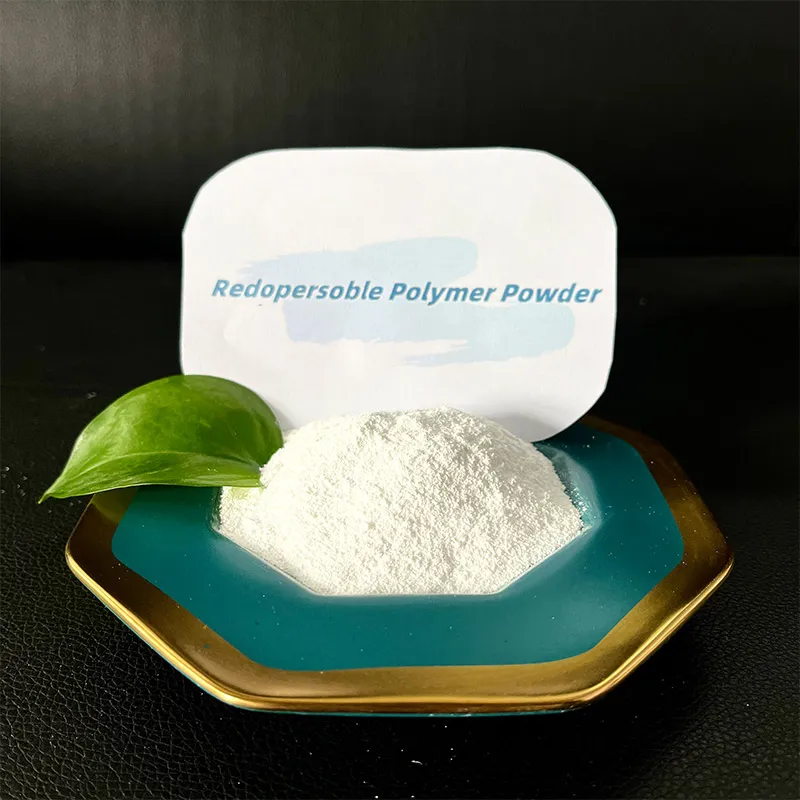
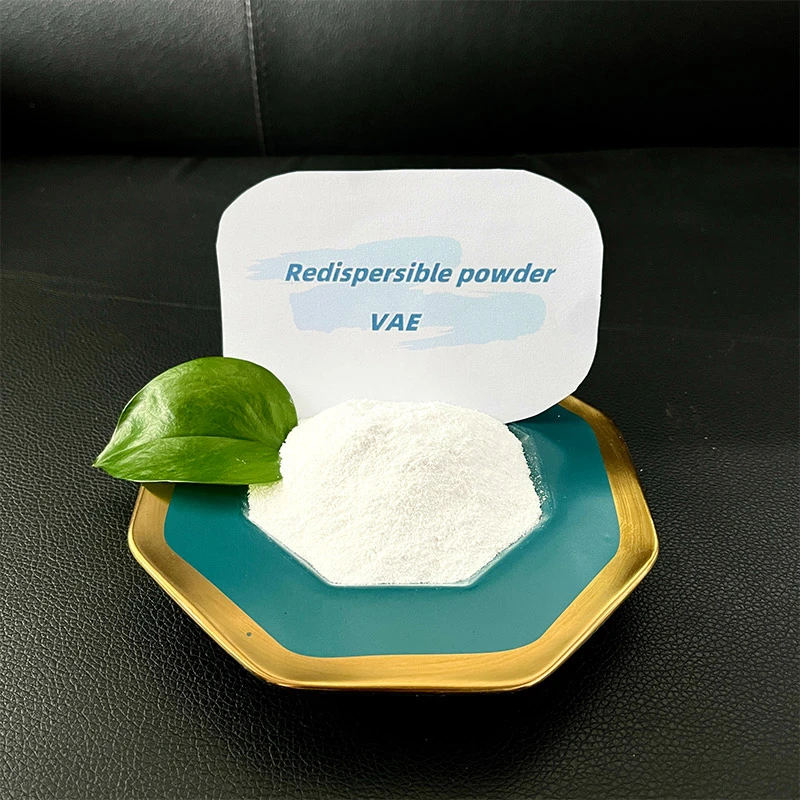
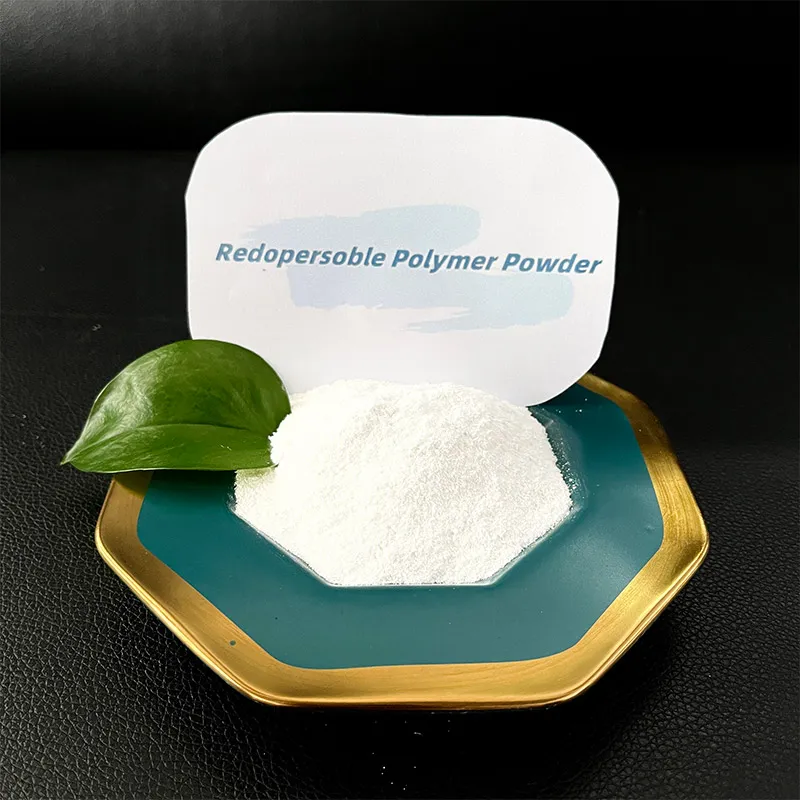
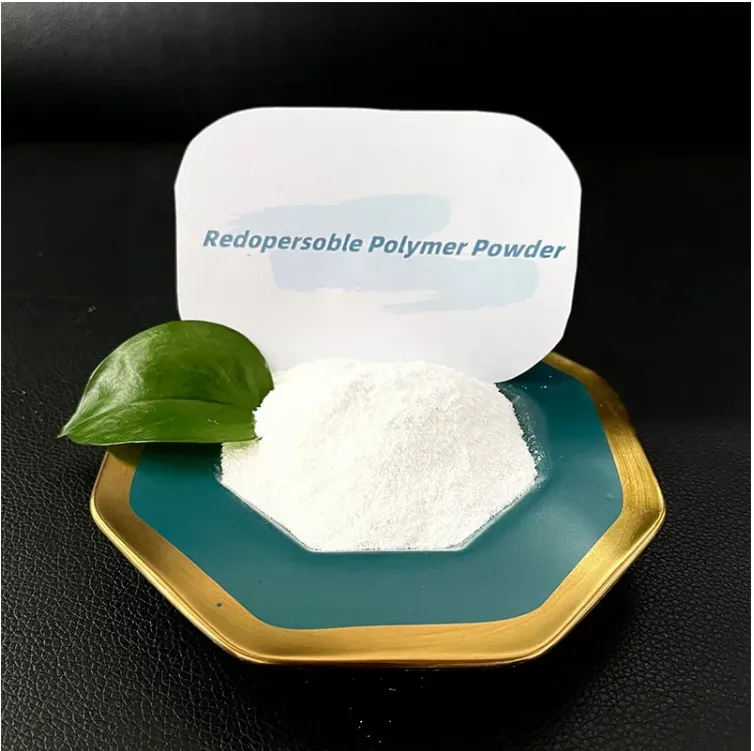



In the construction industry, creating durable and long-lasting tile adhesives is a top priority. The use of rubber powder in tile adhesives has gained significant attention for its ability to enhance the performance and longevity of the bond between tiles and surfaces. Rubber Powder-821 is one such product that has proven to be a reliable solution for durable bonding. This article explores why rubber powder-821 is the go-to choice for tile adhesive manufacturers and consumers looking for robust, lasting results. Rubber Powder-821: Revolutionizing Tile Adhesive Solutions Rubber powder-821 is a specially formulated compound that incorporates rubber powder into the adhesive mix to improve its flexibility, adhesion, and durability. The addition of rubber powder gives the tile adhesive superior elasticity, making it more resistant to cracking and other forms of damage that can occur due to movement or temperature changes. When compared to traditional tile adhesives, rubber powder-821 offers a unique advantage in that it ensures a stronger and more resilient bond between tiles and surfaces. This is especially critical in high-traffic areas, wet environments, and regions with significant temperature fluctuations. The enhanced bonding properties of rubber powder-821 help maintain tile integrity over time, preventing detachment or shifting that can occur due to wear and tear. The Role of Chlorinated Rubber Powder in Enhancing Tile Adhesive Strength In addition to the benefits of rubber powder , chlorinated rubber powder is often included in formulations to improve the chemical stability of tile adhesives. Chlorinated rubber powder contributes to the adhesive's ability to withstand harsh environmental conditions such as moisture, chemicals, and extreme temperatures. This makes it an ideal ingredient for tile adhesives used in bathrooms, kitchens, and outdoor areas where exposure to water and harsh chemicals is common. The unique properties of chlorinated rubber powder allow tile adhesives to remain intact even in challenging environments, ensuring that the bond between tiles and surfaces stays strong and durable for many years. By combining rubber powder-821 with chlorinated rubber powder , tile adhesive manufacturers can offer products that provide exceptional performance, especially in applications where the tiles are exposed to constant moisture or changing temperatures. How Rubber Powder Enhances Adhesion and Flexibility in Tile Bonding One of the most significant advantages of using rubber powder in tile adhesives is its ability to enhance adhesion and flexibility. Rubber powder is known for its elasticity, which makes tile adhesives more forgiving under stress. This is particularly important for tiles that need to bond with surfaces subject to expansion and contraction, such as concrete floors or walls. The incorporation of rubber powder-821 improves the adhesive's capacity to resist cracking and peeling, even under conditions of repeated stress. The increased flexibility ensures that the adhesive can accommodate slight movements without losing its bonding strength. As a result, tiles remain securely attached, even in environments where temperature fluctuations or settling of underlying surfaces may cause traditional adhesives to fail. Rubber Accelerator Free Gloves: Protecting Workers in Tile Installation While discussing the benefits of rubber powder in tile adhesives, it’s also important to consider the safety and well-being of workers handling these materials. Many tile adhesives, especially those that contain chemicals like rubber powder and chlorinated rubber powder , require precautions to avoid skin irritation or allergic reactions. To mitigate these risks, rubber accelerator free gloves are highly recommended for those applying tile adhesives. Rubber accelerator free gloves are specially designed to protect workers from exposure to potentially harmful chemicals found in rubber powder and other adhesive ingredients. These gloves are made without accelerators, which are chemicals that can cause allergic reactions or skin sensitivities. Using rubber accelerator free gloves ensures that workers can handle rubber powder-821 and other adhesive products safely, without compromising their health or comfort. In conclusion, rubber powder-821 is the ideal choice for creating tile adhesives that offer exceptional bonding strength, flexibility, and resistance to environmental stressors. The incorporation of rubber powder and chlorinated rubber powder results in a highly durable adhesive that ensures tiles remain firmly in place, even in the most demanding conditions. Whether it's for residential, commercial, or industrial applications, rubber powder-821 guarantees a lasting bond that will withstand time and wear. For those looking to purchase high-quality rubber powder-821 for tile adhesive applications, visit our website to explore our extensive product range. By choosing rubber powder-821 , you're investing in a tile adhesive that delivers long-lasting results and superior performance for any project.
- 40000tons

Production
- 20+years

Experience
- 5000+㎡

Acreage

-
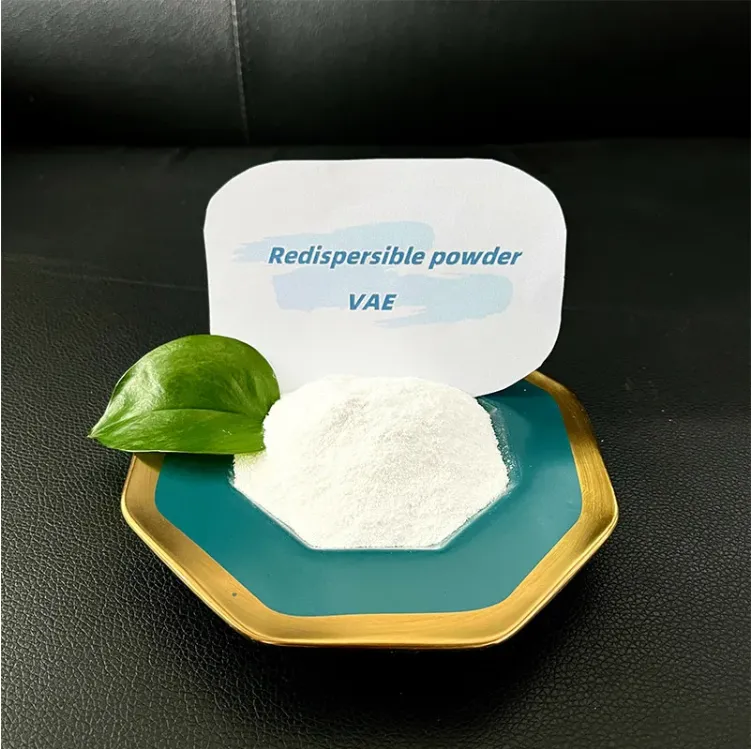
In the world of construction and textiles, innovative materials like polypropylene fiber and acrylic fiber are transforming traditional methods. Whether for enhancing concrete structures or creating durable fabrics, these fibers offer unparalleled versatility. If you're exploring polypropylene fiber for sale , you’re investing in a material that combines strength, durability, and cost-effectiveness. Polypropylene Fiber: A Revolution in Construction Materials Polypropylene fiber has emerged as a game-changing material in construction, particularly in concrete reinforcement. Known for its lightweight yet high-strength properties, it provides exceptional durability to concrete structures. When integrated into polypropylene fiber reinforced concrete , it significantly reduces cracking, improves toughness, and enhances resistance to wear and tear. The availability of polypropylene fiber for sale has made it easier for builders and manufacturers to access this cost-effective solution. By incorporating polypropylene fiber , you can ensure that your projects meet modern standards of durability and sustainability. Whether it’s for residential buildings, industrial floors, or road construction, this fiber is a valuable addition to any construction project. Polypropylene Fiber Reinforced Concrete: Strength and Longevity Combined When it comes to structural integrity, polypropylene fiber reinforced concrete stands out as a top choice for builders. By dispersing fibers throughout the concrete mix, it improves tensile strength, reduces shrinkage cracks, and enhances overall performance. This innovative solution is particularly effective in applications like pavements, precast products, and water-retaining structures. For contractors looking for polypropylene fiber for sale , choosing a high-quality supplier ensures the best results. The benefits of polypropylene fiber reinforced concrete extend beyond durability; it also reduces maintenance costs, minimizes downtime, and supports eco-friendly construction practices. Acrylic Fiber: Versatility Beyond Construction While polypropylene fiber dominates the construction industry, acrylic fiber is a leader in textiles and apparel. This synthetic material mimics the softness and warmth of wool, making it a popular choice for clothing, home furnishings, and industrial fabrics. Its resistance to fading, shrinking, and mildew ensures that products made from acrylic fiber remain durable and vibrant over time. As you explore polypropylene fiber for sale , consider the complementary benefits of acrylic fiber in creating a diverse range of products. Both fibers are known for their cost-effectiveness and adaptability, making them ideal for businesses that prioritize quality and efficiency. Why Choose Polypropylene Fiber for Your Projects? The increasing demand for polypropylene fiber for sale highlights its significance across industries. For construction professionals, polypropylene fiber offers an affordable and practical way to enhance the durability of concrete. Its lightweight nature makes it easy to handle and integrate, reducing labor costs and speeding up project timelines. Meanwhile, businesses in textiles benefit from the versatility of acrylic fiber , which provides a balance of comfort and performance. Whether you're working on infrastructure development or creating stylish garments, these fibers offer the reliability and innovation required to succeed. Explore Polypropylene Fiber for Sale Today If you’re ready to take your projects to the next level, look no further than polypropylene fiber for sale . With its superior strength, affordability, and environmental benefits, polypropylene fiber and polypropylene fiber reinforced concrete are essential for modern construction. Additionally, the complementary qualities of acrylic fiber ensure that industries beyond construction can also reap the rewards of advanced materials. Investing in these fibers means embracing the future of durable, sustainable, and versatile materials. Transform your projects with polypropylene fiber and experience the benefits of innovation firsthand.
-
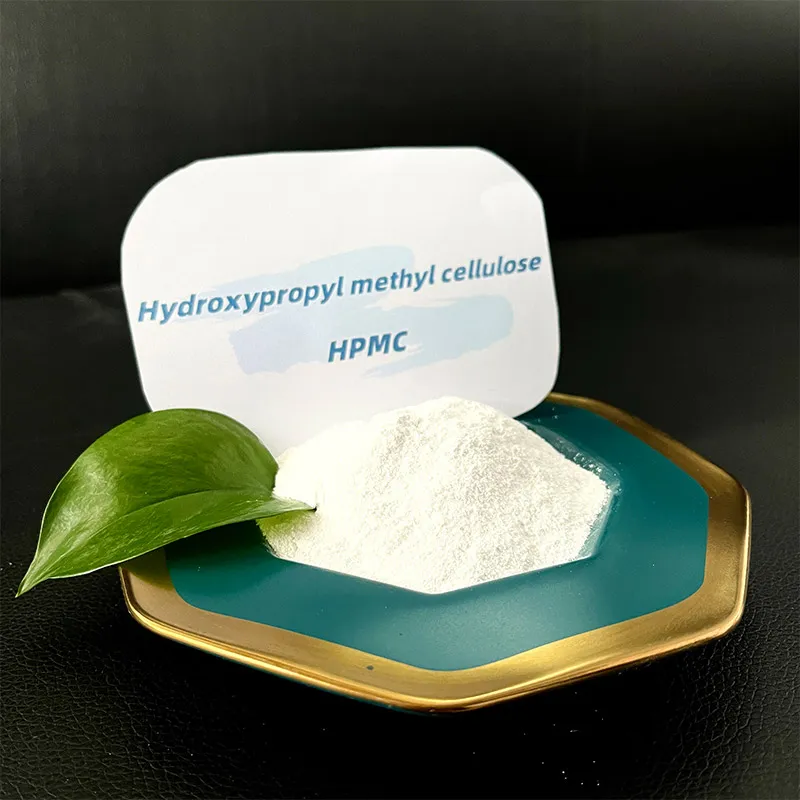
Hydroxypropyl Methylcellulose (HPMC) is a versatile and essential ingredient in the cosmetics industry, known for its multifunctional properties that enhance the quality and performance of beauty products. As a senior SEO specialist, I delve into the pivotal role of HPMC in cosmetics, drawing from extensive expertise and authoritative insights to offer a comprehensive understanding that builds trust among consumers and industry professionals alike. Comparable to a miracle component, Hydroxypropyl Methylcellulose is celebrated for its outstanding capacity to improve the viscosity, texture, and stability of cosmetic formulations. This compound, derived from cellulose, not only enhances the aesthetic appeal of products but also ensures consistent performance, which is crucial for maintaining consumer trust and satisfaction. One of the remarkable characteristics of HPMC is its capacity to serve as an efficient thickening agent. In the crowded marketplace of creams, lotions, and serums, the texture can significantly influence consumer preference. Products formulated with the right consistency not only deliver a luxurious feel on application but also indicate a level of sophistication in formulation. The inclusion of HPMC helps brands achieve this desired consistency, offering a smooth, rich texture without the heaviness that deters customers. Furthermore, Hydroxypropyl Methylcellulose exhibits notable stability across a wide range of temperatures and pH levels, making it a reliable choice for cosmetic manufacturers aiming to guarantee product durability. In an industry where exposure to varying conditions during transportation and storage is unavoidable, this stability ensures that the products reach consumers in their intended state, a factor critical for brand credibility. Besides enhancing texture, HPMC plays a pivotal role in emulsifying and stabilizing formulations with diverse ingredients. Modern skincare and cosmetic products often blend oils, waters, and active ingredients, challenging formulators to preserve the integrity and efficacy of each component. Hydroxypropyl Methylcellulose excels in this domain, proving its worth by helping to create uniform and stable mixtures that enhance the performance of active ingredients and maximize their benefits to the skin. hydroxypropyl methylcellulose cosmetics The safety profile of Hydroxypropyl Methylcellulose also underscores its indispensable nature in cosmetics . Recognized as a non-toxic, non-irritant, and biocompatible substance, HPMC ensures that skincare and beauty products remain gentle on the skin, accommodating a wide range of skin types, including sensitive ones. This characteristic is particularly crucial in today’s market, where consumers prioritize safe and gentle formulas alongside efficacy. Additionally, its film-forming properties deserve special mention. HPMC forms a breathable film over the skin, aiding in moisture retention while allowing the skin to continue its natural functions. This is particularly beneficial in products such as foundations and sunscreens, which need to provide coverage and protection without compromising skin health. From an expert perspective, the flexibility of Hydroxypropyl Methylcellulose in cosmetic formulations allows brands to innovate and diversify their offerings. Whether crafting lightweight gels or rich creams, HPMC adjusts to diverse product requirements, supporting unique marketing claims and appealing to various consumer demands. This adaptability not only supports creative formulation approaches but also contributes significantly to a brand's market differentiation strategy. Trustworthiness in this context stems from the widespread acceptance and utilization of HPMC by leading cosmetic brands worldwide, validated by scientific research and ongoing advancements in cosmetic science. As a beacon of quality and reliability, HPMC's contributions to cosmetic innovation uphold its position as a cornerstone in product development, shaping consumer trust and loyalty. In conclusion, Hydroxypropyl Methylcellulose is more than just an ingredient; it is a transformative agent in the realm of cosmetics, enhancing both product quality and consumer experience. Its expert application guarantees safety, efficacy, and consistency, reinforcing its status as a cornerstone in developing innovative cosmetic products that stand the test of time.
advantages
-

200000 Viscosities
Excellent product
We can produce pure products up to 200,000 viscosities
-

40000 tons
High yield
We don’t stop production all year round, and the annual output can reach 40,000 tons
-

24 hours
Quality service
We provide 24-hours online reception service, welcome to consult at any time
———— Inquiry Form
Schedule A services

-
 fine_rubber_powder
Oct . 25, 2025
How to Make HPMC Gel A Step-by-Step Guide Hydroxypropyl methylcellulose (HPMC) is a versatile polyme -
 retaine_hpmc_0_point_3_10ml
Oct . 25, 2025
In the dynamic world of industrial applications, the need for reliable and effective thickening agen -
 galvanized_wire_mesh_for_concrete
Oct . 25, 2025
In the ever-evolving construction sector, the choice of materials can significantly impact the quali


